

Article: Why You Should Support British Fashion and British Luxury in 2026
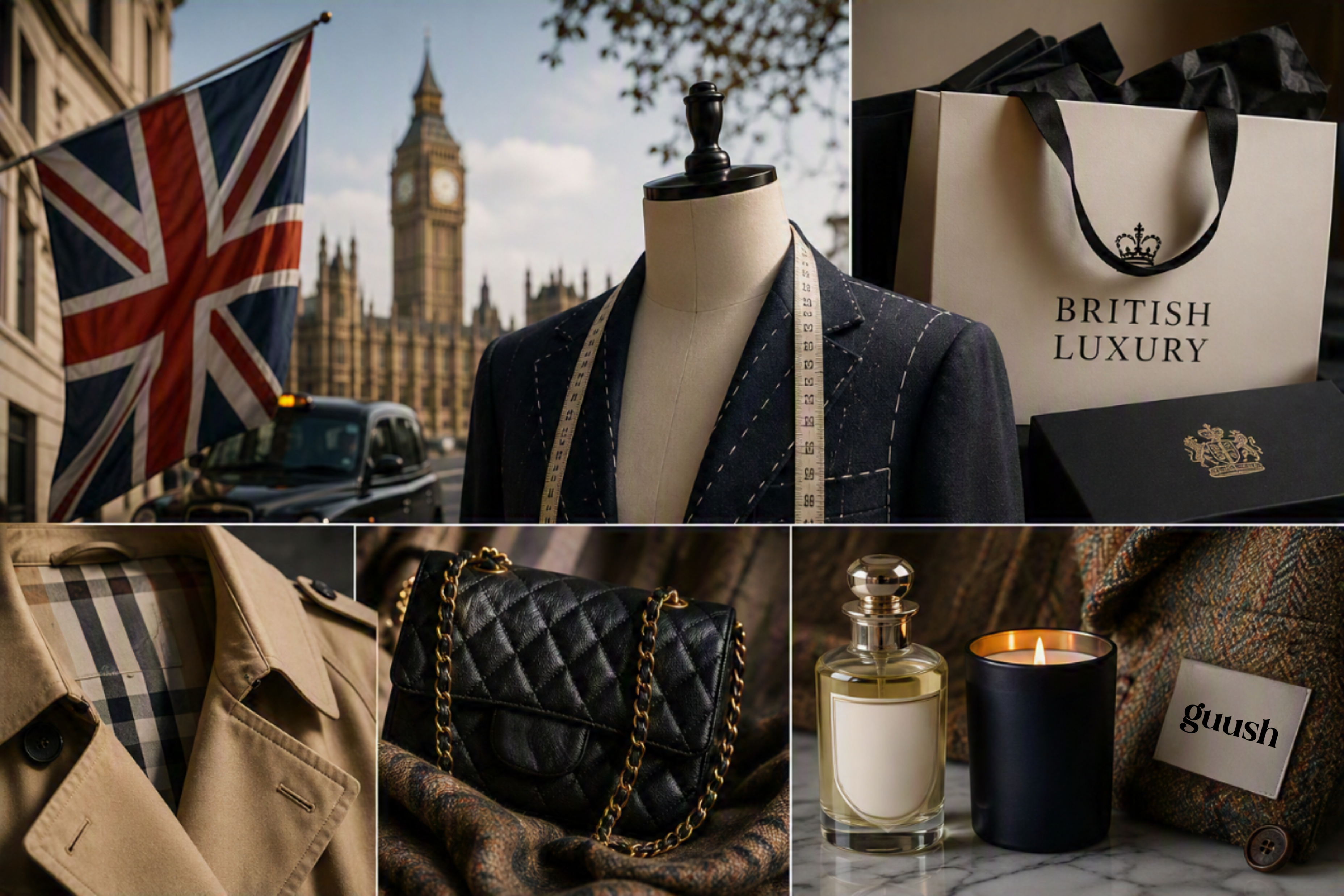
Why You Should Support British Fashion and British Luxury in 2026
Retail employment in the United Kingdom fell by 97,000 positions in the year ending June 2025, a figure that should give every wardrobe-conscious shopper pause. That decline is precisely why you should support British fashion and British luxury now, not as a sentimental gesture, but as a practical decision about where your money does the most good and where your clothes actually come from.
Key Takeaways
- Provenance matters: A garment labelled Made in England is a mark of origin, a guarantee of standards, and a statement of values, all sewn into a single piece.
- The economy depends on it: Luxury goods account for 8% of total British exports, making the sector a genuine pillar of the national economy.
- Quality outlasts trend cycles: British tailoring has always valued restraint, precision, and longevity over decoration, excess, and novelty.
- Cost-per-wear wins: A £770 Harrington Jacket built to last a decade costs less per wear than five fast-fashion jackets replaced annually.
- Jobs are on the line: Supporting British fashion is not abstract patriotism, it is a direct vote for domestic manufacturing employment.
- Less is more: Discreet branding, honest construction, and timeless design define British luxury, and that philosophy is explored further in why less is more in luxury British men's fashion.
- Investment value: 51% of British luxury shoppers agree that luxury goods are a good investment, not a disposable purchase.
Why You Should Support British Fashion and British Luxury in 2026
The question is not whether British craftsmanship exists. It clearly does.
The question is whether you, as a buyer, choose to fund it or let it quietly disappear under the weight of imported, mass-produced alternatives. Every time you choose a British-made jacket over a throwaway import, you are choosing provenance over anonymity.
We built our own label around this exact idea. Our Made in England clothing philosophy is not a marketing line. It is a working standard we hold every garment to before it leaves the factory.
Best for Understanding What "Made in England" Really Means
A label is not decoration. It is a mark of origin, a guarantee of standards, and a statement of values, all sewn into a single garment.
When we say a piece is made in England, we mean the cutting, the stitching, and the finishing all happened under one roof, held to standards that cannot be shortcut. That is what made in England clothing looks like when the label actually means something.
This matters for anyone asking why you should support British fashion and British luxury rather than defaulting to whatever is cheapest and fastest. Provenance is not sentimental packaging. It is a traceable promise about labour conditions, material sourcing, and construction integrity.
The Economic Case for Supporting British Luxury Fashion
The numbers behind British luxury are not small. The sector accounts for 8% of total British exports, making it one of the country's genuine economic pillars rather than a niche indulgence.
Yet there is a growth gap worth noting. Britain currently has only 16 brands that have surpassed the £100 million revenue mark, compared to 55 in France and 47 in Italy.
That gap is not a reflection of British craftsmanship falling short. It is a reflection of consumer habits, and where consumers choose to spend shapes which brands survive long enough to scale.
British heritage brands still carry enormous global appeal despite this gap. Chinese visitors alone contributed 1.8 billion pounds to UK luxury retail sales in 2024, proof that centuries of craftsmanship still translate into modern purchasing power.
British luxury fashion contributes a substantial sum to the economy, built on centuries of craftsmanship reader money still supports today
Best for Buyers Who Value Craftsmanship Over Trends
British tailoring has always valued restraint, precision, and longevity over decoration, excess, and novelty. That is the opposite of how most clothing is sold today.
Take Melton wool, the fabric at the centre of much traditional British outerwear. Its density comes from a process called fulling, where the wool is deliberately felted and compressed until it becomes weatherproof and structurally stable, not just warm.
That is a technical difference, not a marketing one. Fulling is why a properly made wool garment resists wind and holds its shape for decades rather than seasons, and it is exactly the kind of heritage standard that separates real British craftsmanship from a garment that merely looks the part.
Why Less Is More: The British Approach to Luxury Menswear
The problem with contemporary dressing is that the fashion industry has conditioned men to buy constantly and discard quickly. British luxury has always resisted that logic.
Discreet branding, honest construction, and a refusal to chase seasonal novelty are the pillars of the philosophy we explore in detail in why less is more in luxury British men's fashion. It is no longer just about owning less. It is about owning better.
This is also where the cost-per-wear argument becomes impossible to ignore. British shoppers seem to agree, as 51% believe luxury goods are a genuine investment rather than a disposable expense.
Best for Building a Minimalist Capsule Wardrobe with British-Made Pieces
A minimalist menswear capsule wardrobe is a curated collection of versatile, high-quality pieces that work together across multiple outfits. No excess. No impulse buys collecting dust.
We generally recommend 30 to 35 pieces as the working benchmark for a complete, functional wardrobe. That number sounds restrictive until you consider that the average British shopper purchases roughly 61.2 pieces of clothing every year, most of which never earns its place.
When every piece in your wardrobe earns its place, you dress faster, dress better, and spend less over time.
The difficulty lies in having the discipline to select pieces that genuinely justify their position, which is where material quality and honest construction become non-negotiable. Our Harrington Jacket at £770 is exactly where we start when we talk about English quality done properly, because it is designed to anchor a wardrobe for years, not one season.
Before you buy into any capsule, check fit properly against a proper size guide rather than guessing. A garment built for decades only works if it fits correctly from the first wear.
The Harrington Jacket: A Case Study in Why British Tailoring Matters
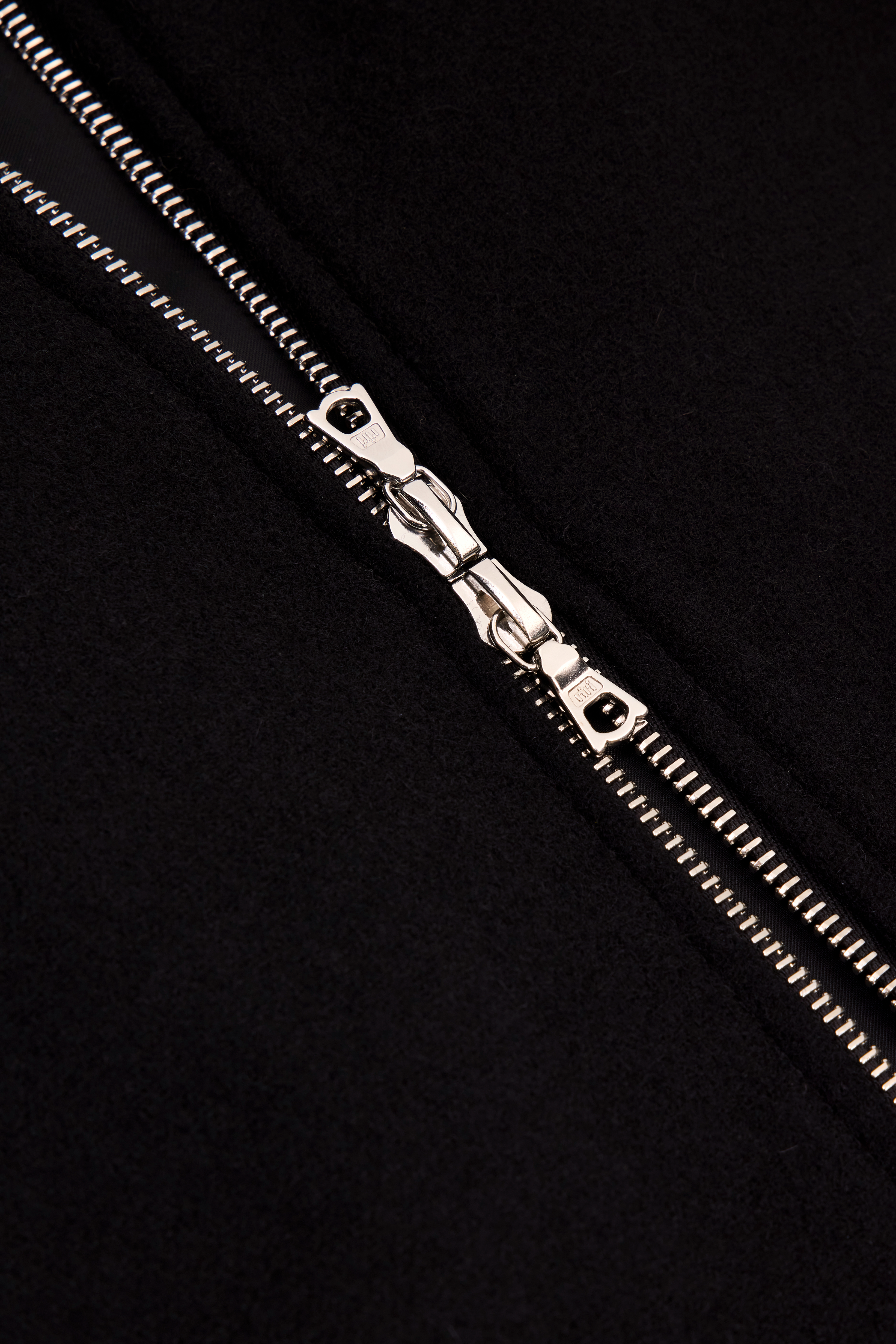
The Guush Harrington Jacket is exactly where we start when we talk about English quality done properly. It carries the construction details that separate durable outerwear from disposable imitation.
Every zipper, every button, and every seam is finished to a standard that has to survive years of wear, not one wet commute.
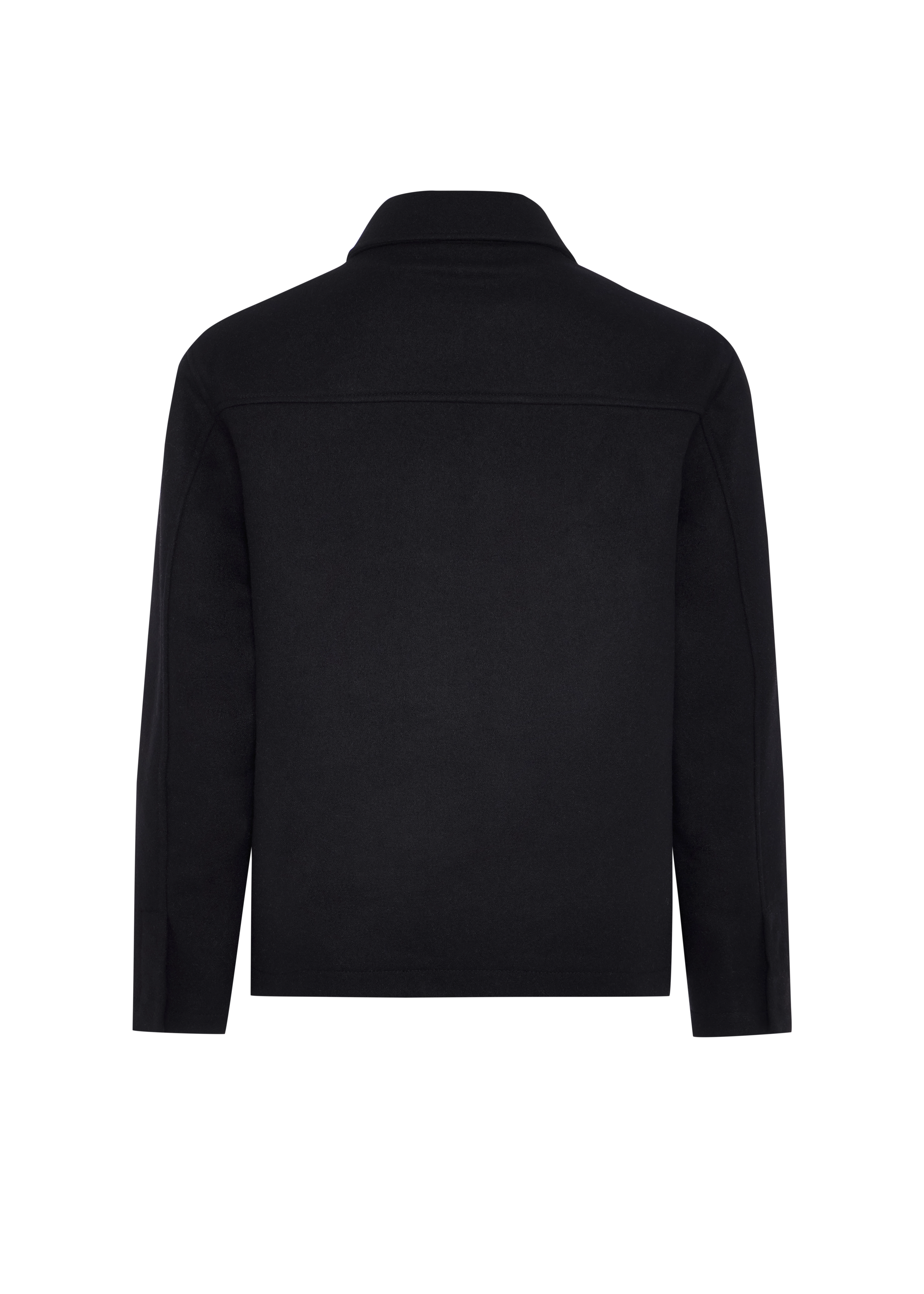
| Feature | Why It Matters |
|---|---|
| Made in England construction | Traceable manufacturing, no outsourced shortcuts |
| Melton wool with fulling process | Weatherproof density that holds shape for decades |
| Discreet branding | Timeless design, no reliance on logo trends |
| £770 price point | Low cost-per-wear across a decade of use |
Supporting British Fashion Means Supporting British Jobs
This is not an abstract argument. Every garment cut and stitched domestically supports a domestic wage, a domestic supplier, and a domestic mill.
British luxury shoppers increasingly understand the stakes attached to this choice. 74% of UK luxury shoppers now cite a brand's carbon footprint as a primary purchasing factor, which naturally favours domestic production over long-haul supply chains.
International tourists already understand the value proposition, spending an average of £1,200 per transaction in UK luxury stores. If visitors are willing to travel across the world to fund British craftsmanship, the least domestic shoppers can do is choose it at home.
Best for Shoppers Who Want Longevity Over Fast Fashion
Roughly 80% of the average wardrobe is never worn. That statistic alone should be reason enough to stop buying constantly and start buying deliberately.
Built for decades, not seasons, is not a slogan we use lightly. It is the standard we apply to every stitch, and it is the standard we recommend you hold any British garment to before you hand over payment.
Browse our jackets collection or explore the full menswear range with this discipline in mind. Fewer pieces, chosen properly, always outperform a wardrobe padded with impulse buys.
Click here to purchase our Harrington Jacket featured in this blog
Conclusion: Why You Should Support British Fashion and British Luxury
The case for why you should support British fashion and British luxury is not built on nostalgia. It is built on jobs, on measurable export value, on cost-per-wear economics, and on a manufacturing standard that still refuses to cut corners.
Less is more remains the guiding principle behind every decision we make, from fabric selection down to the label sewn inside the collar. Choose carefully, buy less, and let what you own actually earn its place.
Zakeria Ibrahim, Founder
Frequently Asked Questions
Why should I support British fashion and British luxury instead of cheaper imports?
Supporting British fashion and British luxury means funding domestic jobs, traceable manufacturing standards, and construction built for decades rather than seasons. The lower cost-per-wear of a properly made British garment typically outweighs the upfront price difference against fast-fashion alternatives.
Is British luxury clothing actually worth the higher price in 2026?
Yes, for buyers who value longevity over quantity. A piece like the £770 Harrington Jacket is designed to last years, which means its true cost-per-wear is often lower than replacing cheaper garments annually.
What does "Made in England" actually guarantee?
It guarantees the garment was cut, stitched, and finished domestically under labour and quality standards that cannot be shortcut. It is a mark of origin, a guarantee of standards, and a statement of values, not just a geographic label.
How many pieces should a minimalist British capsule wardrobe contain?
We recommend 30 to 35 well-chosen pieces as a working benchmark. This is far fewer than the 61.2 items the average Briton purchases annually, and it forces every garment to genuinely earn its place.
Does British luxury fashion actually matter to the UK economy?
Significantly. Luxury goods account for 8% of total British exports, and Chinese visitors alone contributed 1.8 billion pounds to UK luxury retail sales in 2024, proving the sector's continued global relevance.
What is fulling, and why does it matter for British wool jackets?
Fulling is the process of felting and compressing wool until it becomes dense and weatherproof, rather than simply warm. It is a core reason properly made British outerwear holds its shape and resists weather for decades.
Is buying fewer, higher-quality British pieces better than buying more cheap clothing?
Yes. Around 80% of the average wardrobe is never worn, which means most fast-fashion purchases are effectively wasted money. Choosing fewer, well-made British pieces reduces cost-per-wear and supports domestic craftsmanship at the same time.

Written by Zakeria Ibrahim

Leave a comment
This site is protected by hCaptcha and the hCaptcha Privacy Policy and Terms of Service apply.