


Why Made in England Clothing Represents the Peak of Quality (And Why It Matters in 2026)
When it comes to dressing with intention, few decisions carry as much weight as choosing where your clothing comes from. The "Made in UK" label is ranked 4th globally out of 49 countries for consumer perception of quality and authenticity, outperforming even Italy and France — and that single fact tells you everything you need to know about why made in England clothing represents the peak of quality in the modern fashion landscape.
Key Takeaways
|
Question |
Answer |
|---|---|
|
Why is Made in England clothing considered high quality? |
English garment manufacturing relies on centuries of skilled craftsmanship, premium British raw materials, and strict production standards that are difficult to replicate at scale overseas. |
|
What materials are used in Made in England clothing? |
British Melton wool, premium Cupro linings, and heritage-grade hardware like Riri zips are staples of English production. These materials are chosen for durability and feel, not cost-cutting. |
|
Is Made in England clothing worth the higher price? |
Yes. English-made garments are built to last for years, not seasons. The cost-per-wear over a lifetime of use is significantly lower than fast fashion alternatives. |
|
How does English clothing compare to fast fashion? |
Fast fashion items are worn an average of 7 to 10 times before being discarded. Quality English-made pieces are designed for decades of regular wear. |
|
Where can I find Made in England clothing today? |
Independent British brands like Guush produce garments entirely in England. Browse the jackets collection to see current Made in England pieces. |
|
What is British Melton wool? |
Melton wool is a tightly woven, heavyweight fabric with deep roots in British textile history. It resists wind, holds its shape, and ages beautifully with wear. |
|
Why are more consumers choosing Made in England clothing in 2026? |
Consumers in 2026 are increasingly prioritising quality, provenance, and sustainability over speed and low price. Supporting local manufacturing also reduces reliance on unpredictable import chains. |
The History That Explains Why Made in England Clothing Represents the Peak of Quality
England's reputation for superior clothing production did not appear overnight. It was built across centuries of trade, innovation, and regional specialisation.
The wool trade was the backbone of the English economy for hundreds of years. Towns like Bradford, Leeds, and Huddersfield became world-famous centres of textile production, and their standards were exported globally long before "globalisation" existed as a concept.
Savile Row in London formalised the idea of English tailoring as the ultimate status symbol. Bespoke suits crafted by hand for heads of state and royalty set a benchmark for construction and fit that the rest of the world has spent decades trying to match.
That heritage does not sit in a museum. It lives in the workshops, mills, and cutting rooms of independent English manufacturers who still apply the same principles today.
British Textiles: What Sets Them Apart from the World
Not all fabric is created equal. The raw materials sourced and processed within England carry a distinct character that influences the final garment in meaningful ways.
British wool — and Melton wool in particular — is prized for its density, warmth, and wind resistance. It is woven tightly, giving it a smooth face that holds dye evenly and resists pilling far better than synthetic blends or loosely woven alternatives.
Beyond wool, English manufacturers have long favoured premium linings like Cupro, a natural fibre derived from cotton by-products. Cupro breathes well, sits smoothly against the skin, and drapes in a way that synthetic polyester simply cannot replicate.
Hardware matters just as much as fabric. The use of components like the Riri M4 zip — a Swiss-made precision zip favoured by heritage and luxury brands worldwide — reflects a commitment to quality at every level of construction, not just the visible surface.
"Every detail of an English-made garment is chosen with purpose. The zip, the lining, the thread weight — nothing is accidental."
Why Made in England Clothing Represents the Peak of Quality in Raw Materials
When a garment is made in England, the supply chain is shorter and far more transparent. A manufacturer based in the UK can verify the origin of their wool, inspect their lining fabric in person, and maintain direct relationships with the mills producing their cloth.
That level of oversight is simply not possible when production is offshored to factories thousands of miles away, where quality control relies on intermittent audits and long-distance communication.
The result is consistency. Every piece that comes off an English production line reflects the same standards as the last. There are no "bad batches" hidden in a container on the other side of the world.
Did You Know?
73% of UK consumers plan to invest in higher-quality, longer-lasting "investment" fashion pieces in 2026 — a clear signal that the era of disposable clothing is coming to an end.
Source: globaltextiletimes.com
The Craftsmanship Behind English Garment Manufacturing
The word "craftsmanship" is used loosely in fashion. In the context of Made in England clothing, it has a precise and measurable meaning.
English garment workers typically complete years of training before producing finished pieces independently. Pattern cutting, fabric matching, hand-finishing, and pressing are all skills that take time to develop properly — and that investment shows in the final product.
Seams are stronger. Silhouettes hold their shape through repeated wear and washing. Pockets sit flat and function correctly. These are small details that consumers often notice only by their absence in cheaper garments.
-
Hand-finished edges and press work that maintain structure over time
-
Precise seam allowances that prevent distortion after washing
-
Colour-matched or deliberately contrasting thread chosen with intention
-
Hardware (zips, buttons, rivets) sourced for durability, not cost reduction
-
Fit patterns developed to flatter proportion rather than accommodate mass sizing
These are the markers of a garment produced by someone who takes the work seriously — not a factory line optimised purely for speed.
Why Made in England Clothing Represents the Peak of Quality for Ethical and Transparent Production
Knowing where your clothes come from has become increasingly important to consumers in 2026. Supply chain transparency is no longer a niche concern — it is a mainstream expectation.
English manufacturing offers a level of transparency that offshore production cannot match. When a brand says "Made in England," it means the garment was produced under UK employment law, with workers paid at or above minimum wage, in regulated conditions with full accountability to domestic legal frameworks.
That is not guaranteed anywhere else at the same price point. Consumers who care about fair production do not have to take a brand's word for it when the "Made in England" label is present — the regulatory environment provides that assurance by default.
Supporting English-made clothing also means supporting a domestic industry. In 2026, with import costs rising and supply chains under continued pressure globally, buying British is both an ethical and a practical decision.
The Environmental Benefits of Choosing English-Made Garments
Sustainability is not just about organic cotton and recycled packaging. The most meaningful environmental choice a consumer can make is buying less and choosing better.
English-made clothing is built to last. A jacket produced from 100% British Melton wool and constructed to heritage standards will outlast dozens of fast fashion alternatives. That longevity has a direct environmental benefit: fewer garments produced, fewer garments discarded, and a dramatically lower total footprint per wear.
Shorter supply chains also reduce the carbon cost of transportation. A garment made and sold within the UK travels a fraction of the distance of one produced in South-East Asia, shipped to a European distribution centre, and then forwarded to the end customer.
"Extending a garment's life by just 9 months reduces its carbon, waste, and water footprints by 20% to 30%. Quality English clothing is designed to far exceed that threshold."
When you invest in a Made in England piece, you are making a decision that benefits you, the maker, and the environment at the same time.
Discover why Made in England clothing is seen as the peak of quality. This infographic highlights five key benefits rooted in craftsmanship and provenance.
Why Made in England Clothing Represents the Peak of Quality for Long-Term Value
The upfront cost of an English-made garment is higher than a fast fashion equivalent. That is not a flaw in the model — it is a feature of it.
Fast fashion items are now worn only 7 to 10 times before being discarded, a 35% decline in usage compared to 15 years ago. When you calculate the cost-per-wear of a piece that gets worn twice and then donated, the "affordable" item becomes extraordinarily expensive.
A quality Made in England garment, worn regularly over four to seven years, costs a fraction of a penny per wear. The economics are not even close.
|
Factor |
Fast Fashion |
Made in England |
|---|---|---|
|
Average wears before discard |
7 to 10 |
200+ |
|
Material durability |
Low to medium |
High to exceptional |
|
Supply chain transparency |
Minimal |
Full |
|
Environmental footprint per wear |
High |
Low |
|
Resale or heirloom potential |
Negligible |
Significant |
Did You Know?
Fast fashion items are now worn only 7 to 10 times before being discarded — a 35% decline in usage over the last 15 years. Made in England garments are designed for decades of real wear.
Source: UniformMarket
What to Look for When Shopping for Made in England Clothing
Not every garment carrying a British aesthetic is actually made in England. Knowing how to identify genuine English production is an important skill for any discerning buyer.
Here is what to check before you commit to a purchase:
-
The label. A genuine "Made in England" or "Made in Great Britain" care label is the clearest indicator. Look for it physically sewn into the garment, not printed on marketing material.
-
The materials. British Melton wool, Harris Tweed, and similar heritage fabrics are strong indicators of authentic domestic production.
-
The hardware. Quality English-made pieces use precision components from reputable suppliers. If the zip feels flimsy or the buttons wobble, that is a warning sign regardless of the label.
-
The price point. Genuine English manufacturing has real costs. A price that seems too low for a "Made in England" claim should prompt further investigation.
-
Brand transparency. Reputable English manufacturers will tell you exactly where and how their garments are made. If a brand is vague about production details, treat that with caution.
If you are unsure about sizing once you have found a piece you want, check the size guide before ordering to make sure you get the fit right first time.
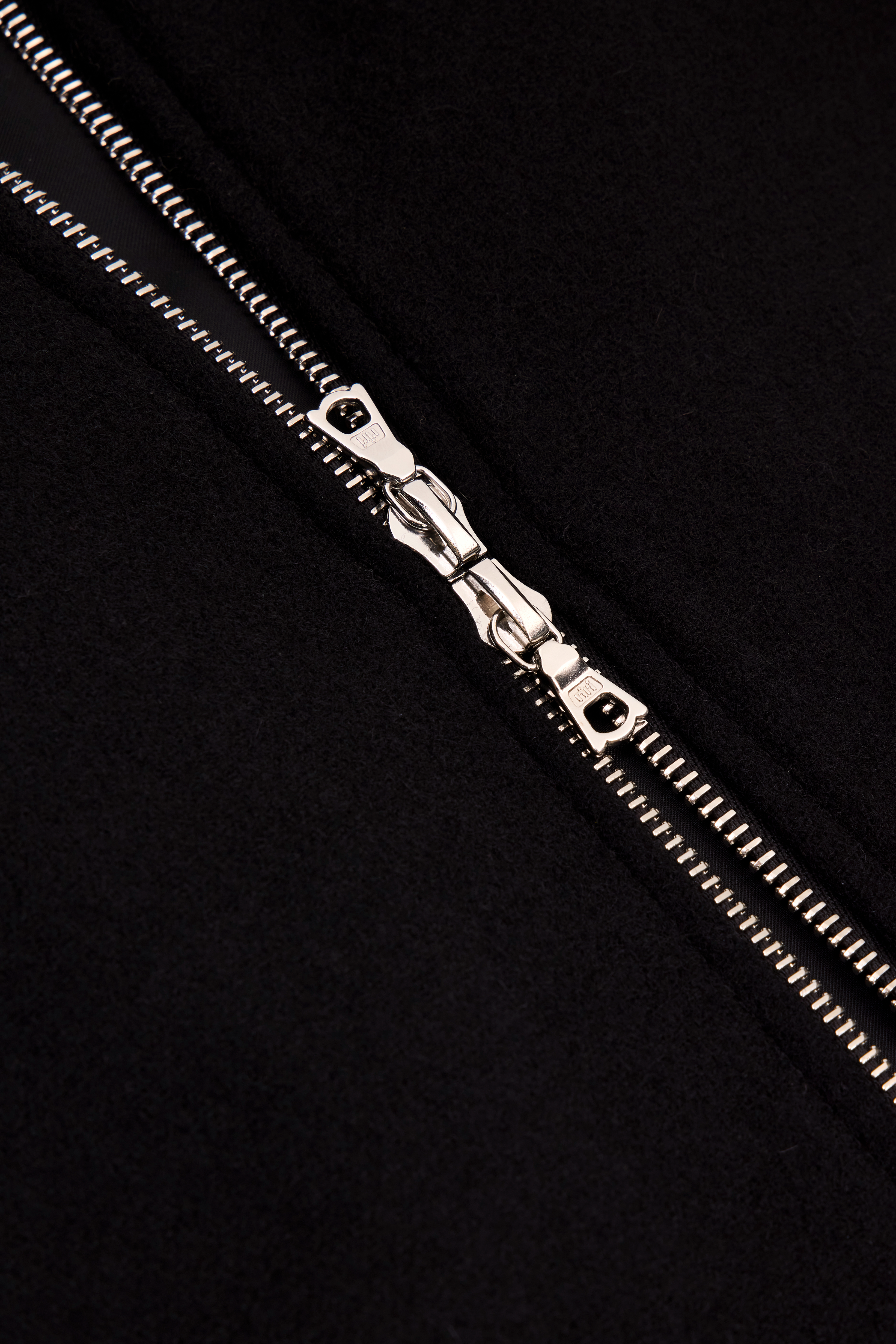
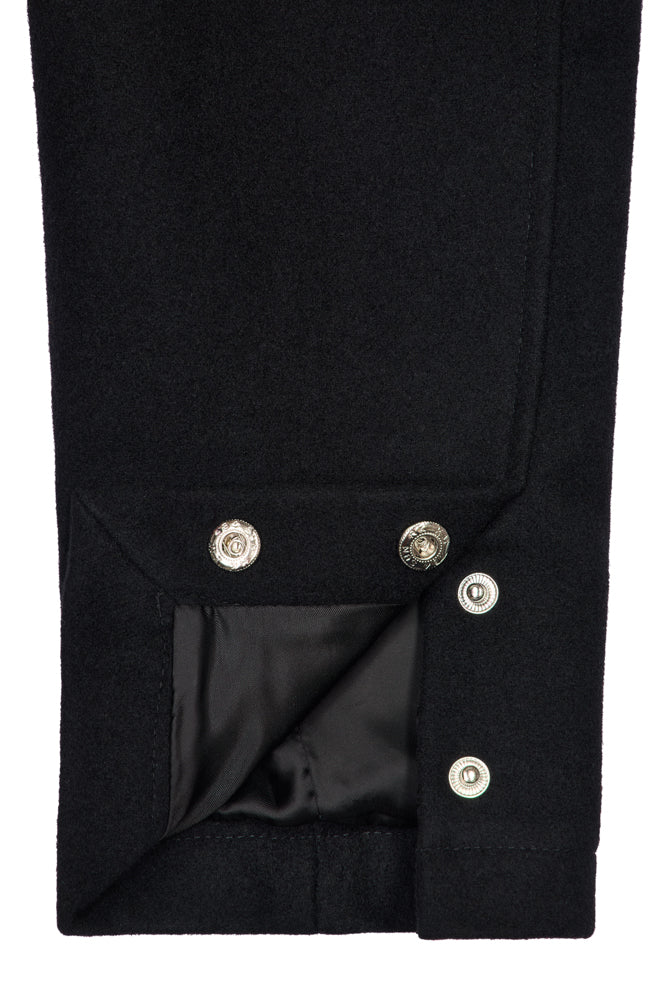
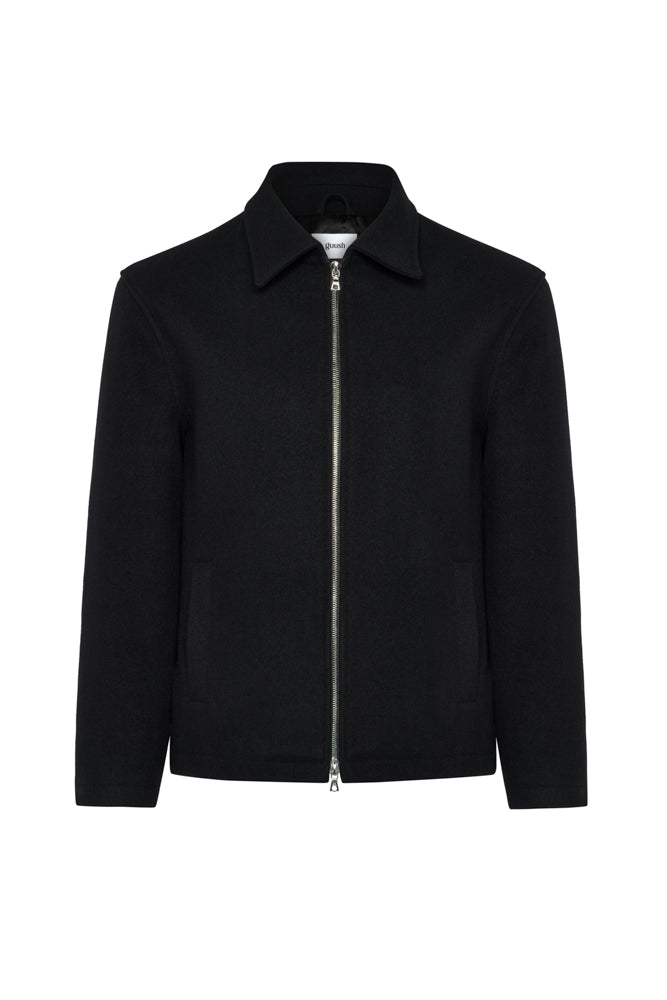
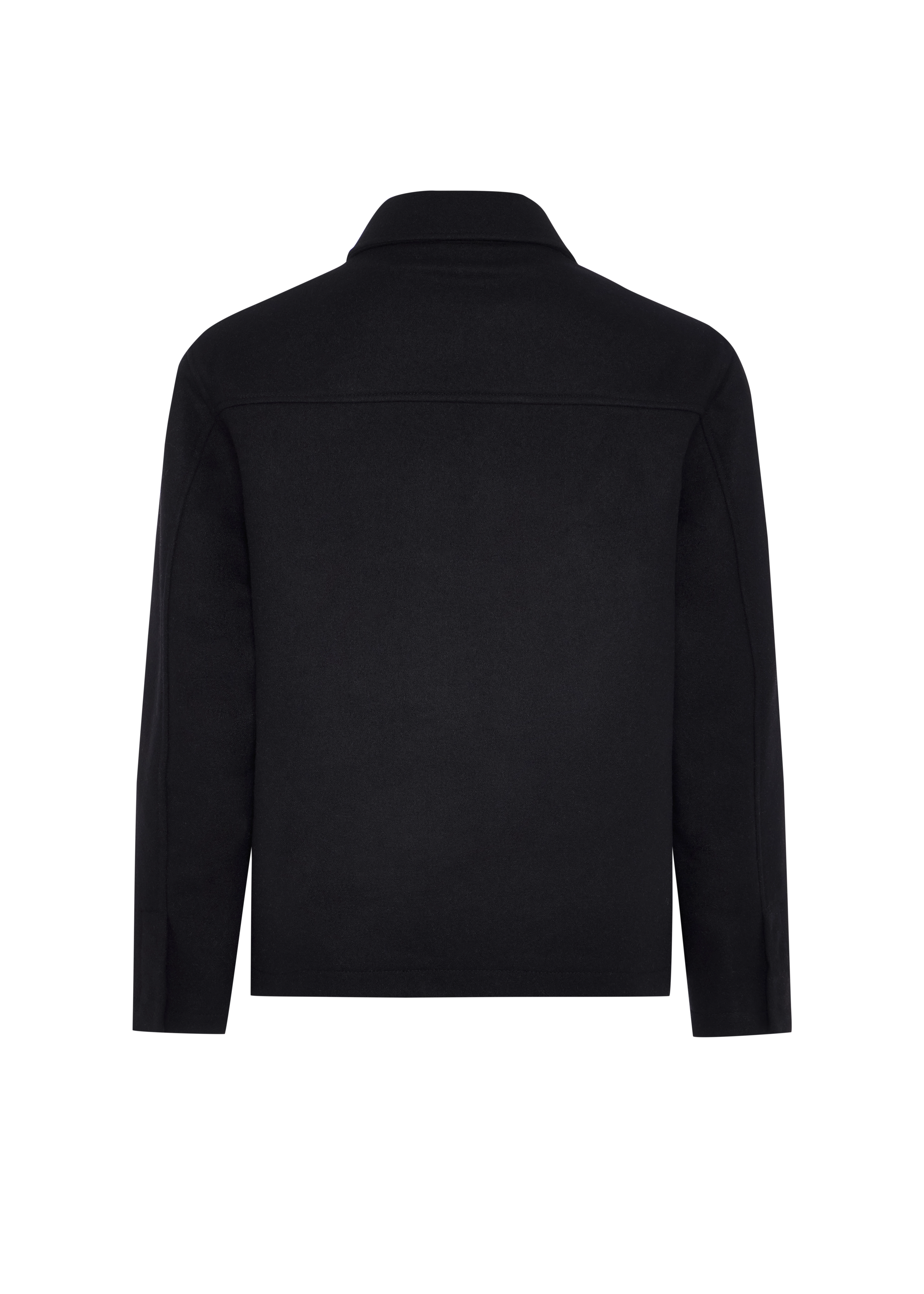
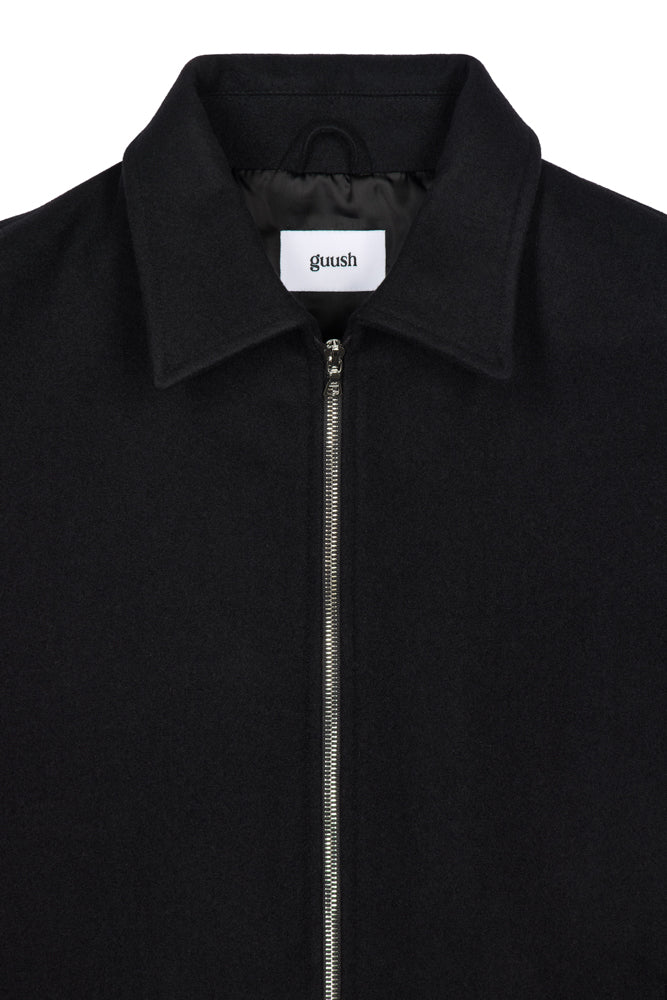
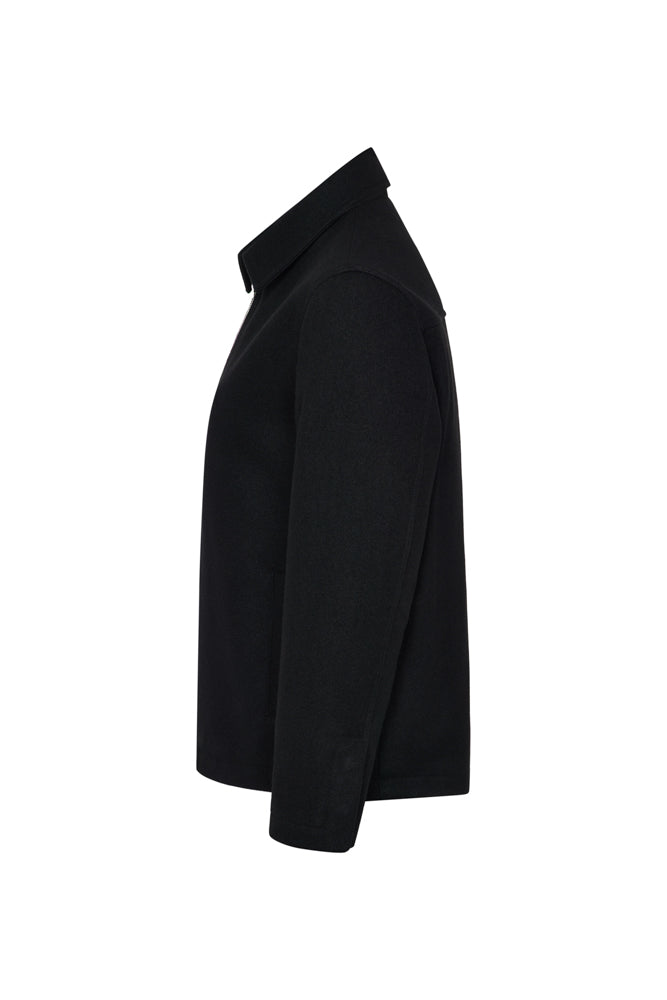
The Guush Harrington Jacket: Made in England Quality in Action
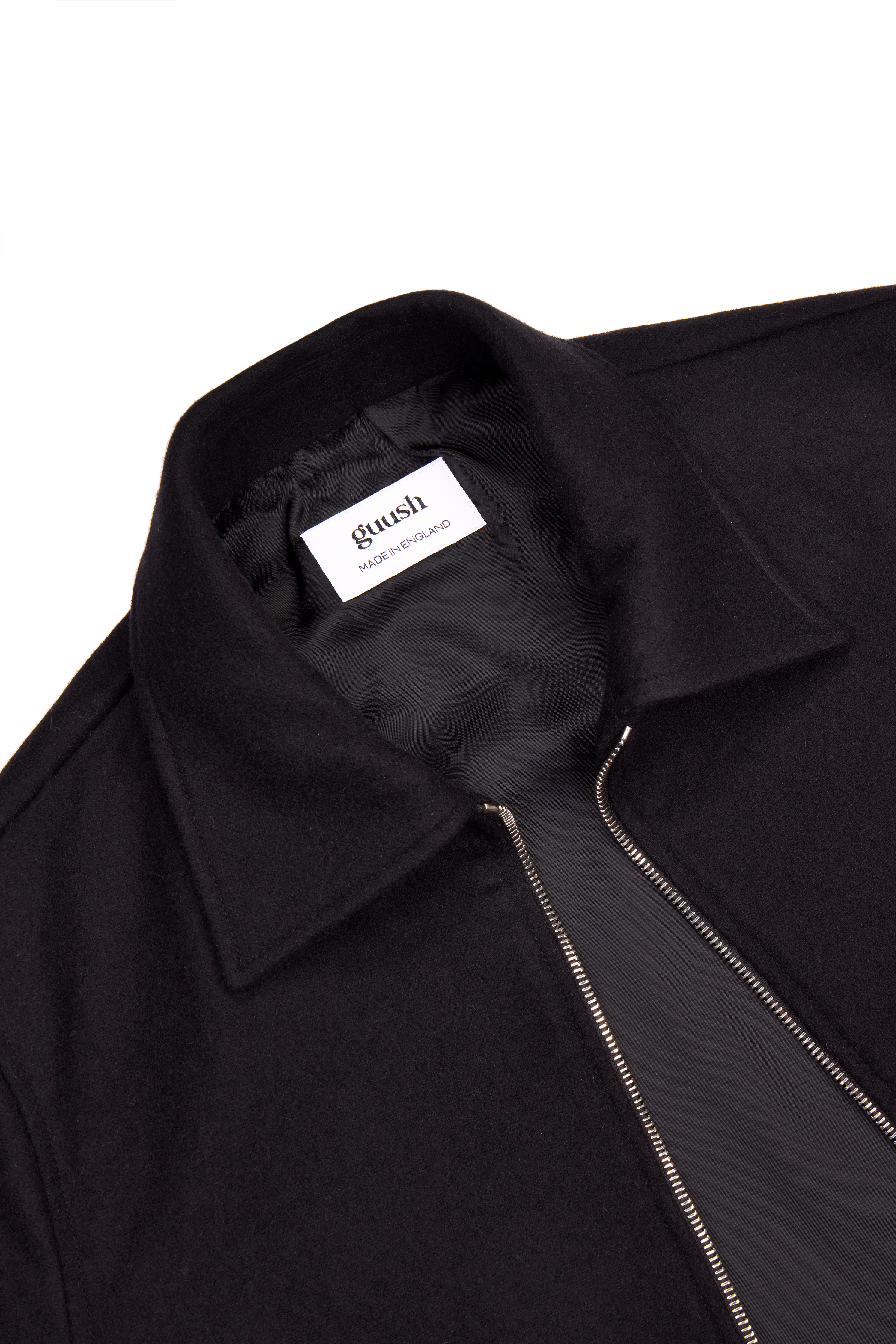
The best way to understand why made in England clothing represents the peak of quality is to look at a concrete example. The Guush Harrington Jacket brings every principle discussed in this article into a single, real-world garment.
Made entirely in England from 100% British Melton wool, this jacket represents a deliberate rejection of compromise at every stage of production. The fabric is sourced domestically, the construction is carried out by skilled makers in England, and the finished piece reflects standards that offshore production simply cannot replicate at any comparable price point.
Here is what makes it stand out:
-
100% British Melton wool outer: Tightly woven, wind-resistant, and built to hold its shape through years of wear.
-
100% Cupro lining: A natural, breathable lining that sits smoothly against the body and improves with use.
-
Durable two-way Riri M4 zip: Swiss-precision hardware used by heritage and luxury houses worldwide.
-
Four zippered welt pockets: Clean construction with no sagging or misalignment.
-
Straight silhouette: Designed for versatility across seasons, functioning equally as a jacket or lightweight coat.
-
Black colourway: A clean, minimal aesthetic built for longevity across changing trends.
The jacket is priced at £770.00 GBP, which reflects the true cost of English materials, English labour, and English standards. That is not an inflated figure — it is an honest one.
Why the "Made in England" Label Matters More Than Ever in 2026
In 2026, consumers are more informed and more demanding than at any previous point in the history of fashion retail. The days of buying without thinking are behind us for a significant and growing portion of the market.
A substantial 71% of UK adults in 2026 plan to buy more "Made in Britain" items to support local businesses and avoid the rising costs of imports. That is not a niche attitude — it is a mainstream shift in purchasing behaviour.
For independent British brands, this creates a genuine opportunity. Consumers are actively looking for transparency, provenance, and quality. They want to know who made their clothes, where, and from what.
The "Made in England" label answers all three questions at once. It is a mark of origin, a guarantee of standards, and a statement of values — all sewn into a single garment.
If you want to explore what is currently available from our English-made range, check out the new arrivals for the latest additions. And if you have any questions about production, materials, or sizing, our team is always happy to help — reach out through the contact page and we will get back to you within 24 to 48 hours.
Conclusion
There is no shortage of clothing on the market. What is genuinely scarce is clothing made with care, built to last, and produced with full accountability for every stage of its creation. That is precisely why made in England clothing represents the peak of quality — not as a marketing claim, but as a measurable reality grounded in history, materials, craftsmanship, and values.
Whether you are buying your first quality piece or adding to a considered wardrobe, choosing English-made clothing is one of the most informed decisions you can make in 2026.
The Guush Harrington Jacket is exactly where we start when we talk about English quality done properly. It is built from British Melton wool, finished in England, and designed without compromise. That is what made in England clothing looks like when the label actually means something.
Stay tuned for more pieces joining the collection — and thank you for being part of the journey.

Written by Zakeria Ibrahim

Leave a comment
This site is protected by hCaptcha and the hCaptcha Privacy Policy and Terms of Service apply.